

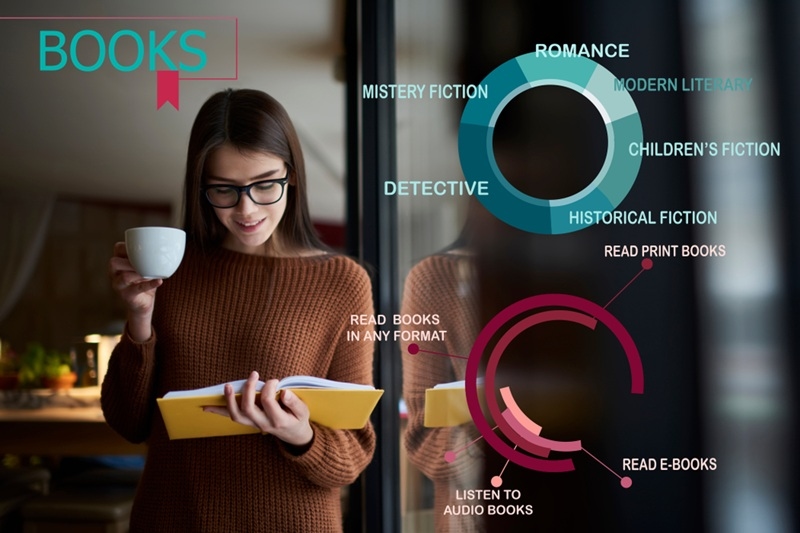
Walk into any bookstore today, or even just scroll through a reading app for five minutes, and one thing becomes obvious. Readers are no longer sticking to just one shelf. They are drifting, experimenting, and honestly, getting a little unpredictable with their choices.
That is exactly why understanding book genres feels more useful now than it ever did before. Not in a rigid, textbook way. More like a loose map. Something that helps readers figure out where they are and where they might want to go next.
The interesting part is how popular book genres are no longer just about what sells the most. They reflect moods. One month, readers lean toward comfort. The next, they want intensity or something that makes them think a little deeper than usual.
There was a time when people would proudly say, “I only read thrillers” or “I stick to romance.” That kind of loyalty still exists, but it is softer now. Readers are branching out, sometimes without even realizing it.
A thriller might suddenly include a strong emotional arc. A romance might deal with career struggles or identity. And readers? They are here for it.
This shift has blurred the lines between fiction vs nonfiction genres in a way that feels natural rather than forced. A memoir can read like a novel. A fictional story can carry real world weight without feeling heavy.
Some of the most talked about books right now sit somewhere in between, and that in between space is exactly where readers seem most comfortable.
Not every trend is loud. Some grow slowly, almost under the radar, until suddenly everyone seems to be reading the same kind of story.
A few trending reading genres that keep popping up this year include:
These are not just thrillers with twists. They dig into behavior, decisions, and the kind of thoughts people do not always say out loud. Readers stay for the suspense, but they remember the uncomfortable truths.
Big dramatic love stories still exist, but many readers are leaning toward quieter, more grounded relationships. The kind that deal with timing, communication, and messy reality.
Stories that explore environmental changes or possible futures are gaining attention, especially among younger readers. They feel relevant without being overly heavy.
Self help is still popular, but the tone has changed. Less lecturing, more storytelling. Readers want to feel like they are learning from someone, not being instructed.
Trends move forward, but they also circle back. And right now, a few classic genres are having a quiet comeback.
Readers are picking up:
There is something comforting about these formats. They do not rush. They take their time, and surprisingly, readers are okay with that again.
For someone building a thoughtful book category guide, this mix of old and new makes things more interesting than ever.
This part is less talked about, but it matters. Readers are not just picking genres. They are building small systems around how they read.
Some common patterns showing up:
A long day might call for something light and familiar. A quiet weekend might invite something deeper. The choice is less about genre and more about feeling.
Some readers actively avoid reading the same type of book twice in a row. It keeps things fresh and prevents that “everything feels the same” slump.
Instead of sticking to one category, readers follow authors whose voice they enjoy. If that author experiments, the reader follows along.
A novel one week, a nonfiction book the next. This balance keeps reading from feeling repetitive.
This is how a modern genre reading list is taking shape. Not fixed, not planned too far ahead, but still intentional in its own way.
Read Now: The Influence of Ash Bishop on Modern Fiction Today
It is impossible to ignore how much online spaces influence reading choices now. A single recommendation can send thousands of readers toward a specific type of story almost overnight.
But it is not just about viral books. Smaller communities are introducing readers to niche corners of literature that might have gone unnoticed before.
Things like:
Because of this, book genres are stretching in directions that feel more flexible than ever. What used to be considered niche now has a real audience.
People used to see this as a clear choice. Either you read stories, or you read for information. That divide feels outdated now.
Readers move between both without thinking too much about it. A novel can offer perspective. A nonfiction book can feel deeply personal.
The conversation around fiction vs nonfiction genres is shifting from comparison to balance. It is less about choosing one and more about knowing when each one fits.
Some weeks call for escape. Others call for clarity. Most readers, whether they realize it or not, are building a mix of both.
Not every reading decision is random. Sometimes it is surprisingly practical.
People are choosing genres based on what they need in that moment:
A good book category guide is not strict. It simply helps connect the right kind of story to the right moment.
If current trends are anything to go by, a few newer styles are slowly building momentum.
Readers are starting to notice:
Books that let readers make choices or influence outcomes are gaining curiosity, especially among younger audiences.
Stories about artificial intelligence, digital identity, and online life feel closer to reality now than ever before.
Not everyone wants to commit to a long novel. Short, impactful stories are filling that gap.
Books that blend traditions, languages, and perspectives are resonating with a global audience.
These might not dominate overnight, but they are definitely worth watching.
Know More: Story Premise Matters More Than Most Writers Realize
Reading today feels less like following a path and more like wandering a little, seeing what catches attention, and going with it. That is probably why popular book genres feel less rigid now. They are not boxes. They are starting points.
A reader might think they only enjoy one kind of story, then stumble into something completely different and end up loving it. Building a genre reading list is not about getting it right. It is about staying curious enough to keep exploring.
Because at the end of the day, the best reads are rarely the ones planned too carefully. They are the ones picked up almost by accident and remembered long after.
It often helps to stop focusing on genres entirely and instead look at themes or situations that feel relatable. Trying different formats like audiobooks or short stories can ease the process. Over time, patterns start to appear, and those patterns naturally guide readers toward genres they genuinely enjoy without forcing it.
Sticking to one genre can feel comfortable, especially in the beginning, but exploring multiple genres tends to make reading more engaging in the long run. It prevents monotony and introduces new perspectives. Even occasional shifts between genres can refresh interest and make reading feel less predictable.
Trends often act as a starting point rather than a rule. They highlight what others are enjoying, which can spark curiosity. However, personal preference still plays a bigger role. Readers usually try trending genres, then adjust based on what genuinely holds their attention and feels worth their time.
This content was created by AI